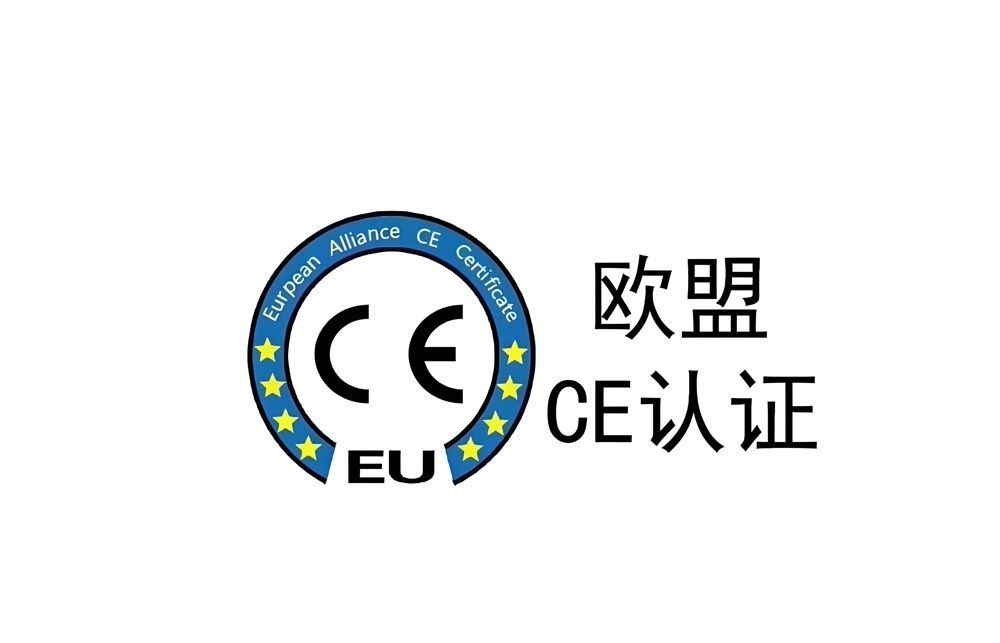
With the popularity of wireless technology, Bluetooth headphones have become a must-have for daily commuting, office work and entertainment. For manufacturers and distributors looking to expand into the European market, the core prerequisite for placing Bluetooth headphones on the EU market is to complete CE Certification. As a mandatory EU conformity mark for safety, CE Certification is not only a "passport" for products to enter the European market, but also a key guarantee for enterprises to avoid risks and demonstrate product quality. Below is a detailed breakdown of the reasons and complete process for certification.
1. Why is CE Certification Mandatory for Bluetooth Headphones?
CE Certification is a mandatory requirement under EU law for products entering its market. Since Bluetooth headphones are equipped with Bluetooth RF modules, they must comply with the CE-RED Directive (2014/53/EU) and other relevant standards. There are 3 core reasons for obtaining certification:
Mandatory Market Access Requirement: EU regulations explicitly prohibit the sale and circulation of Bluetooth headphones without CE Certification. Once detected by regulatory authorities, enterprises will face severe penalties such as heavy fines, product recalls and market bans, which will not only cause economic losses but also seriously damage brand reputation and even affect subsequent market access qualifications.
Eliminate Trade Barriers and Reduce Costs: CE Certification unifies technical standards across all EU member states, avoiding repeated investment and time costs for enterprises to adapt to regulations of different countries. It allows Bluetooth headphones to circulate freely among 27 EU member states, greatly improving trade efficiency.
Enhance Product Competitiveness and Win Trust: Obtaining CE Certification means Bluetooth headphones meet EU standards in wireless RF, EMC, electrical safety, health protection and other aspects, serving as an authoritative endorsement of product quality. This effectively boosts consumer trust, strengthens core competitiveness in the European market, and reduces customer complaint rates and warranty costs.
2. Full Process for Bluetooth Headphones CE Certification
The certification process is uncomplicated, focusing on sample testing + document review, with full assistance from professional certification bodies. The specific steps are as follows:
Select a Compliant Certification Body: Prioritize EU-accredited bodies with experience in wireless product certification (e.g., CRL Testing). Submit the certification application form, product technical documents (including circuit diagrams, manuals, etc.) and 2-3 mass-produced prototypes.
Product Compliance Testing: The laboratory of the certification body conducts full-item testing on Bluetooth headphones in accordance with relevant standards, including core items such as wireless RF (Radio Frequency), EMC (Electromagnetic Compatibility), LVD (Low Voltage Directive) and SAR (Specific Absorption Rate). If testing fails, products can be revised and retested as recommended.
Technical Document Review: After passing testing, the laboratory issues an official test report. The certification body conducts a comprehensive review of the report and technical documents to confirm the product complies with all applicable directives such as CE-RED, ensuring complete and traceable documents (to be retained for at least 10 years).
Issue Certificate and Affix Mark: Upon approval, the certification body issues the CE Certification certificate. Enterprises must clearly affix the CE mark (height ≥5mm) on the product body or minimum packaging, and the product can then be legally circulated in the EU market.
Final Reminder: CE Certification is not "valid for life". Recertification is required if EU standards are updated or product design is changed. CRL Testing can assist enterprises throughout the certification process, avoid risks such as fake certificates and missing items, and help Bluetooth headphones successfully expand into the European market.