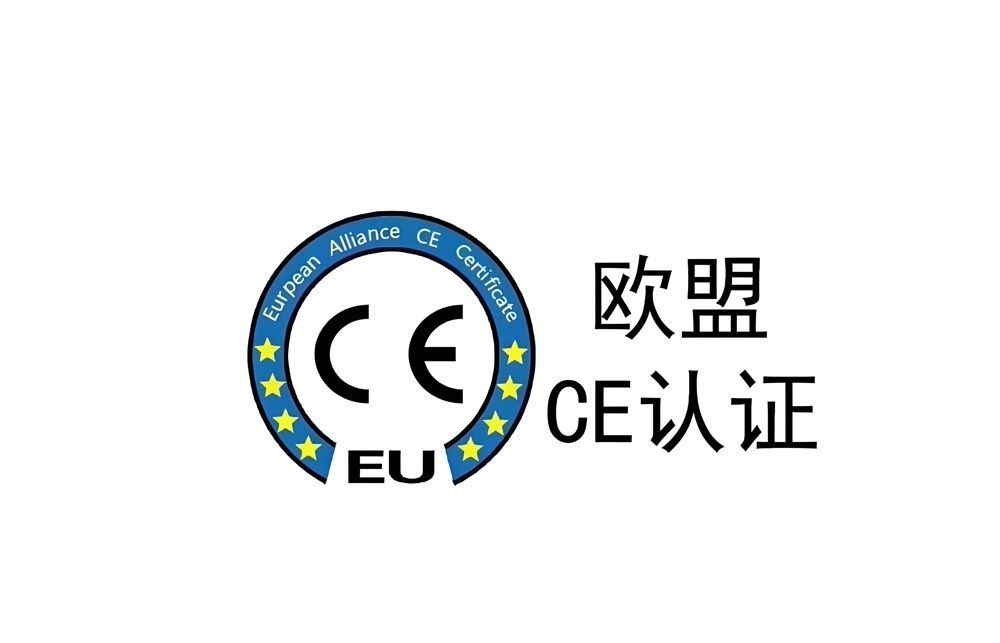
With the rapid development of wireless technology, Bluetooth headsets have become a must-have item for people's daily commuting, office work and entertainment. Relying on convenience and practicality, the market demand continues to rise. However, for Bluetooth headset manufacturers and sellers planning to promote products to the European market, compliance is the primary prerequisite - as a mandatory EU safety conformity mark, CE certification is the "passport" for products to open the door to the EU market, and its importance is self-evident. Today, we will elaborate on the necessity and complete process of applying for CE certification for Bluetooth headsets to help enterprises go overseas smoothly.
I. Why Must Bluetooth Headsets Apply for CE Certification? 3 Core Reasons, Indispensable
CE certification is a mandatory safety conformity requirement imposed by EU laws on products entering its market, not an optional certification. As wireless electronic devices, Bluetooth headsets need to apply for CE certification mainly due to the following 3 core needs, which are directly related to the success or failure of enterprises' overseas expansion:
A rigid threshold for EU market access: CE certification is a prerequisite for Bluetooth headsets to enter the markets of 27 EU member states and the European Economic Area (EEA). Products without CE certification can not only not pass customs clearance, but also are strictly prohibited from being sold on the EU market. Once investigated by EU market regulators, enterprises will face severe penalties such as huge fines, full product recalls and market bans, which will not only cause direct economic losses, but also damage corporate brand reputation and affect subsequent market layout.
Eliminate cross-border trade barriers and reduce compliance costs: EU member states once had their own technical regulations and standards. If Bluetooth headsets are not compliant uniformly, they need to adapt to the standards of different countries, which will increase enterprises' R&D, testing costs and time costs. CE certification unifies the technical requirements of the EU market. After obtaining the certification, products can be freely circulated in all EU member states without repeated application for separate national certifications, greatly reducing cross-border trade barriers and improving overseas expansion efficiency.
Demonstrate product quality and enhance market competitiveness: Obtaining CE certification means that Bluetooth headsets have passed strict EU technical testing, and meet EU standards in core indicators such as radio frequency, electromagnetic compatibility, electrical safety and electromagnetic exposure, which is an authoritative proof of product quality and safety. This can effectively enhance consumers' trust in products in Europe, differentiate them from uncertified products, strengthen market competitiveness, and help enterprises seize EU market share.
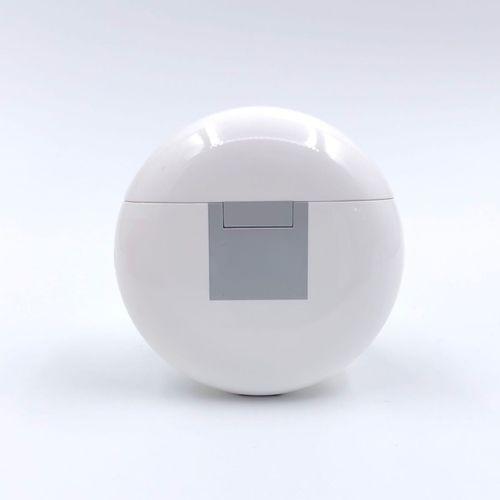
II. CE Certification Application Process for Bluetooth Headsets, 4 Steps to Complete Efficiently, Avoid Detours
The application for CE certification for Bluetooth headsets must follow a standardized process. Choosing a certification body accredited by the EU (such as CRL Testing) can ensure a smooth certification process and a compliant and valid certificate. The specific steps are as follows:
Select a compliant certification body and submit application materials: Prioritize a third-party testing and certification body with EU authorization and rich experience (such as CRL Testing), submit a certification application form, and prepare complete technical documents (product specifications, circuit diagrams, user manuals, material lists, etc.) and representative product test samples to ensure the authenticity and completeness of materials and avoid delays due to missing documents.
Complete full product testing and rectify and optimize to meet standards: The certification body arranges a professional laboratory to conduct full testing on Bluetooth headsets in accordance with relevant EU standards (such as EN 300 328, EN 55032, EN 55035). Core test items include radio frequency performance, electromagnetic compatibility (EMC), specific absorption rate (SAR), electrical safety, etc. If any test item fails, the laboratory will issue targeted rectification suggestions. Enterprises optimize product design and adjust parameters according to the suggestions, and resubmit samples for testing after rectification until they meet the standards.
Comprehensive document review to confirm compliance: After the samples pass the test, the laboratory issues an official test report. The certification body conducts a comprehensive review of the test report and the technical documents submitted by the enterprise, verifying one by one that the product complies with all applicable EU directives and standards to ensure no omissions or non-compliant items.
Approval and certification certificate issuance: After verifying that the product is fully compliant, the certification body officially issues the CE certification certificate. After obtaining the certificate, enterprises need to mark the CE logo on the product body or packaging, and then legally launch Bluetooth headsets on the EU market to complete the overseas compliance closed loop smoothly.
CE certification is not only a "key" for Bluetooth headsets to be exported to the EU, but also a core guarantee for enterprises to avoid operational risks, demonstrate product quality and expand the European market. For enterprises planning to layout the European market, understanding CE certification requirements and standardizing the application process in advance can efficiently open up overseas channels and gain a firm foothold in the international market.